IndicWav2Vec: Building the Future of Speech Recognition for Indian Languages

IndicWav2Vec: Building the Future of Speech Recognition for Indian Languages
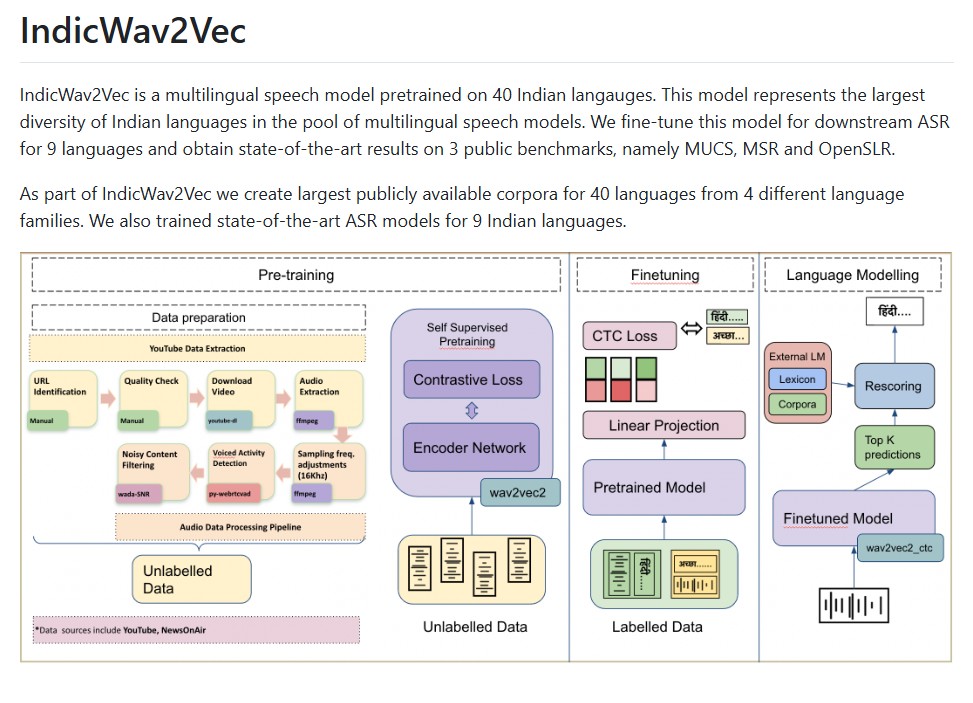
India is one of the most linguistically diverse countries in the world, home to over 1,600 languages and dialects. Yet, speech technology for most of these languages has historically lagged behind due to limited data and resources. While English and a handful of global languages have benefited immensely from advancements in automatic speech recognition (ASR), … Read more
Distil-Whisper: Faster, Smaller, and Smarter Speech Recognition by Hugging Face

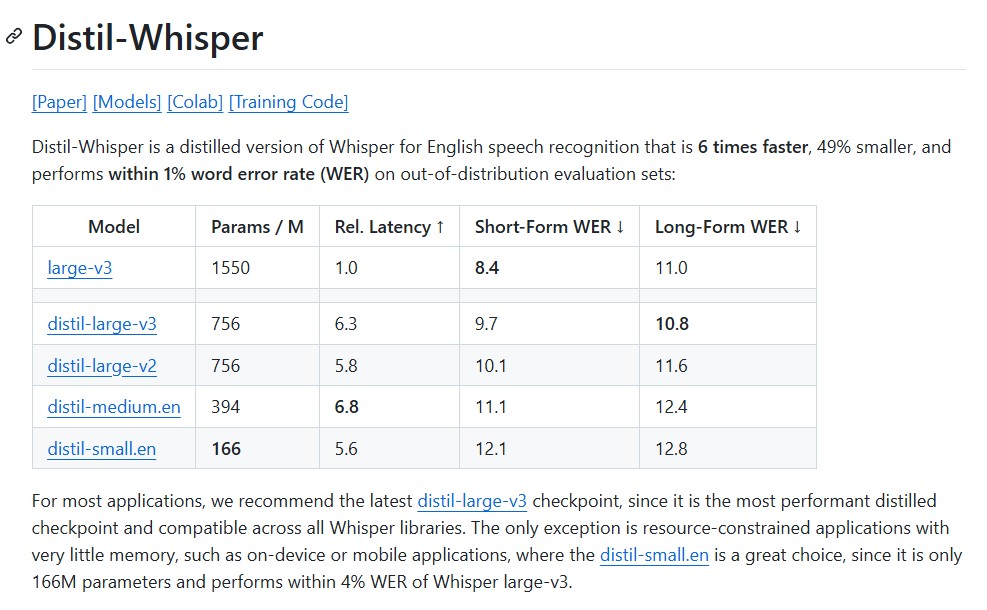
Distil-Whisper: Faster, Smaller, and Smarter Speech Recognition by Hugging Face

The evolution of Automatic Speech Recognition (ASR) has reshaped how humans interact with technology. From dictation tools and live transcription to smart assistants and media captioning, ASR technology continues to bridge the gap between speech and digital communication. However, achieving real-time, high-accuracy transcription often comes at the cost of heavy computational requirements until now. Enter … Read more

Whisper by OpenAI: The Revolution in Multilingual Speech Recognition

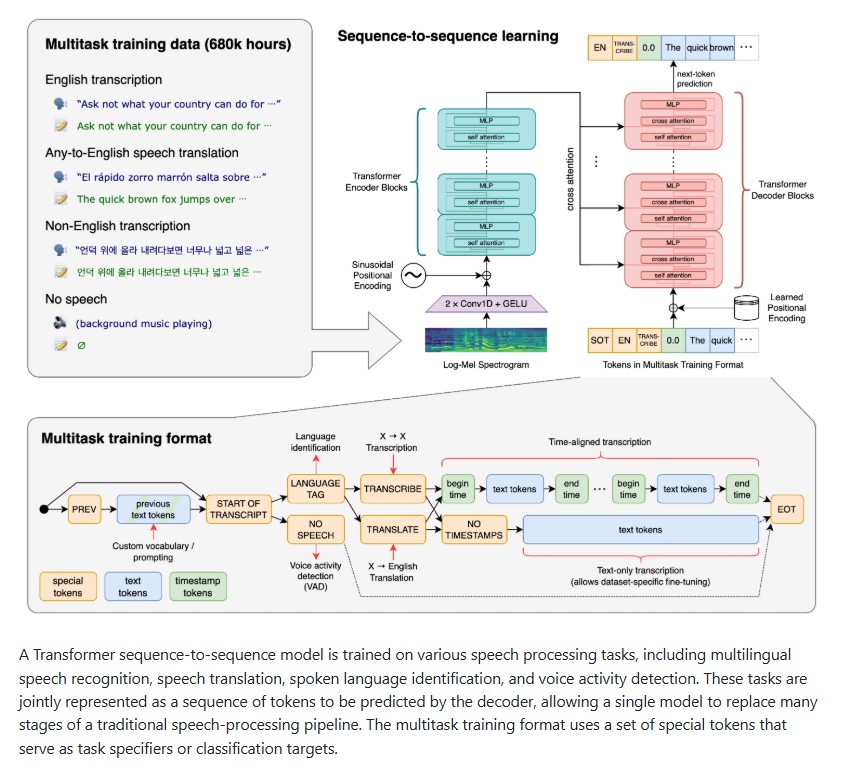
Whisper by OpenAI: The Revolution in Multilingual Speech Recognition

Speech recognition has evolved rapidly over the past decade, transforming the way we interact with technology. From voice assistants to transcription services and real-time translation tools, the ability of machines to understand human speech has redefined accessibility, communication and automation. However, one of the major challenges that persisted for years was achieving robust, multilingual and … Read more

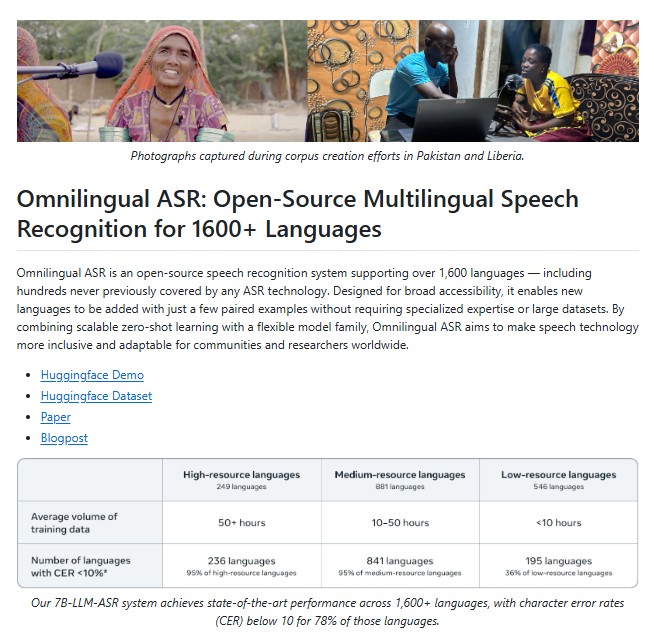
Omnilingual ASR: Meta’s Breakthrough in Multilingual Speech Recognition for 1600+ Languages

Omnilingual ASR: Meta’s Breakthrough in Multilingual Speech Recognition for 1600+ Languages

In an increasingly connected world, speech technology plays a vital role in bridging communication gaps across languages and cultures. Yet, despite rapid progress in Automatic Speech Recognition (ASR), most commercial systems still cater to only a few dozen major languages. Billions of people who speak lesser-known or low-resource languages remain excluded from the benefits of … Read more

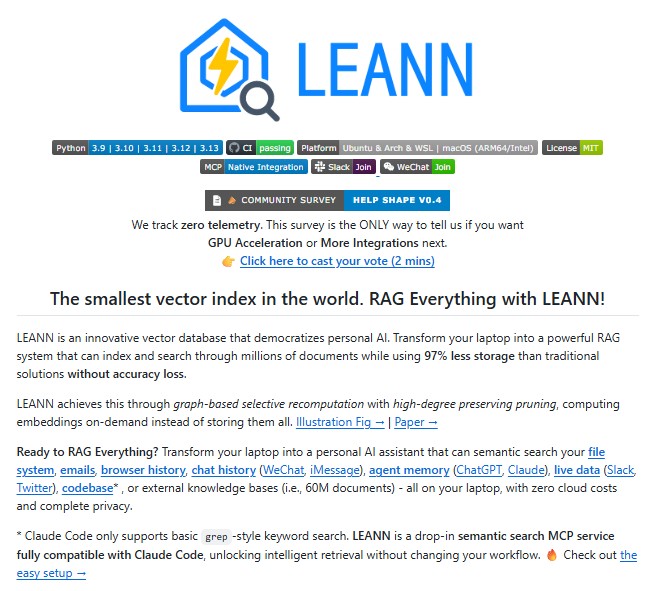
LEANN: The Bright Future of Lightweight, Private, and Scalable Vector Databases

LEANN: The Future of Lightweight, Private, and Scalable Vector Databases

In the rapidly expanding world of artificial intelligence, data storage and retrieval efficiency have become major bottlenecks for scalable AI systems. The growth of Retrieval-Augmented Generation (RAG) and Large Language Models (LLMs) has further intensified the demand for fast, private and space-efficient vector databases. Traditional systems like FAISS or Milvus while powerful, are resource-heavy and … Read more

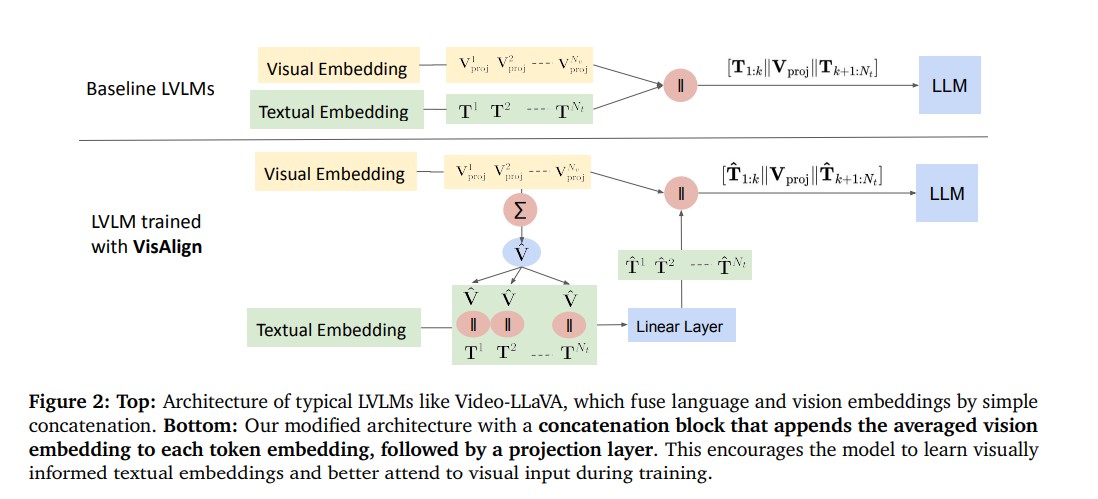
Reducing Hallucinations in Vision-Language Models: A Step Forward with VisAlign

Reducing Hallucinations in Vision-Language Models: A Step Forward with VisAlign

As artificial intelligence continues to evolve, Large Vision-Language Models (LVLMs) have revolutionized how machines understand and describe the world. These models combine visual perception with natural language understanding to perform tasks such as image captioning, visual question answering and multimodal reasoning. Despite their success, a major problem persists – hallucination. This issue occurs when a … Read more

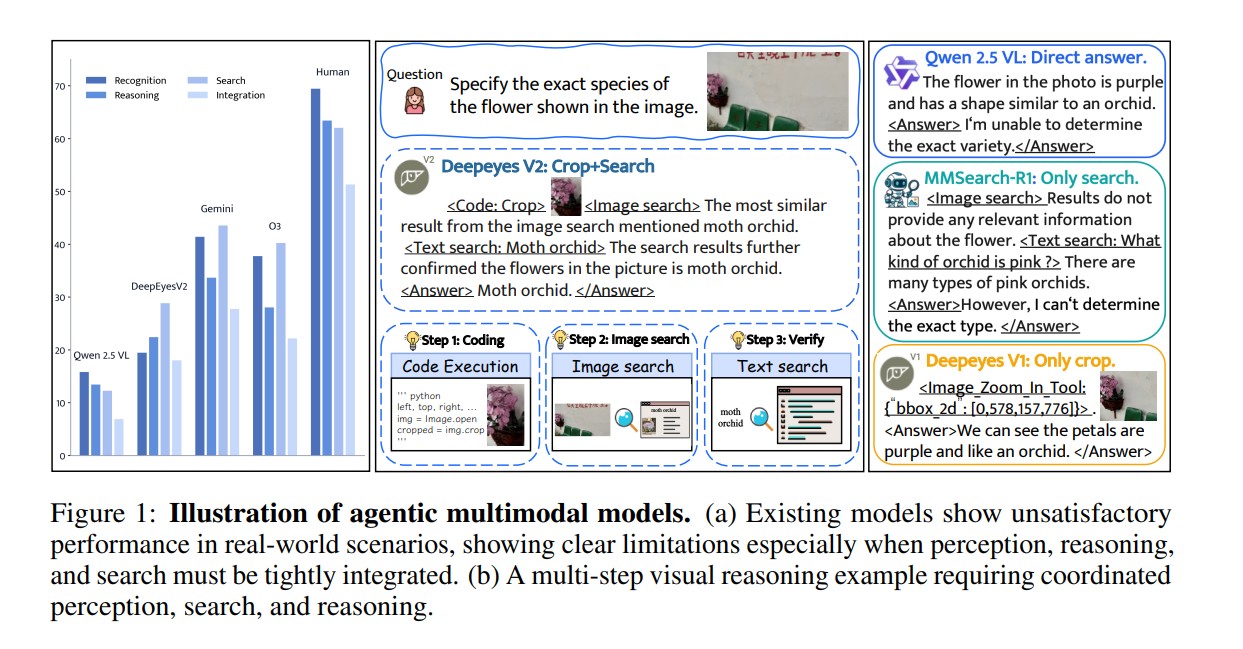
DeepEyesV2: The Next Leap Toward Agentic Multimodal Intelligence

DeepEyesV2: The Next Leap Toward Agentic Multimodal Intelligence

The evolution of artificial intelligence has reached a stage where models are no longer limited to understanding text or images independently. The emergence of multimodal AI systems capable of processing and reasoning across multiple types of data has transformed how machines interpret the world. Yet, most existing multimodal models remain passive observers, unable to act … Read more

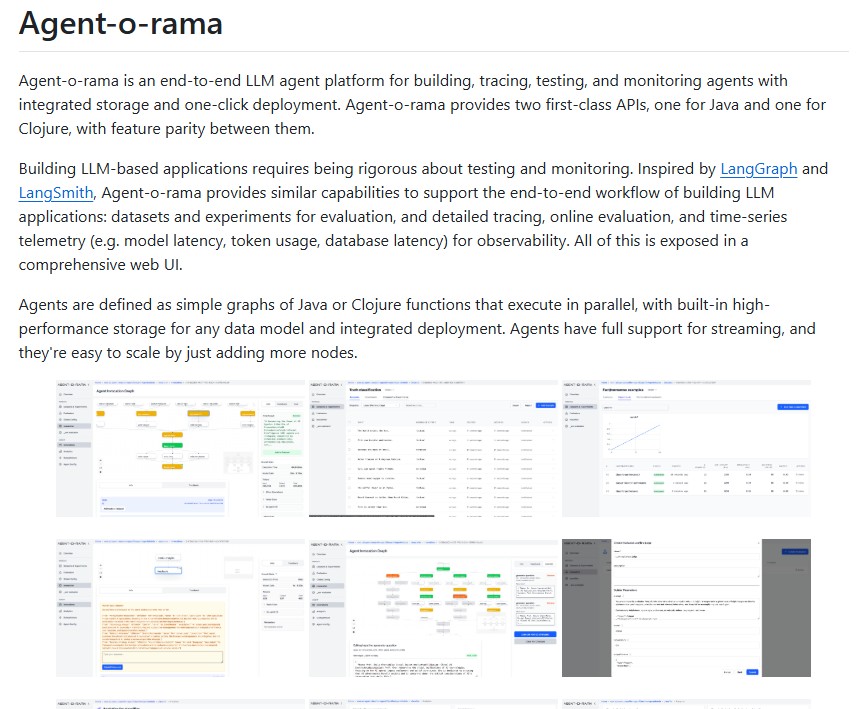
Agent-o-rama: The End-to-End Platform Transforming LLM Agent Development

Agent-o-rama: The End-to-End Platform Transforming LLM Agent Development

As large language models (LLMs) become more capable, developers are increasingly using them to build intelligent AI agents that can perform reasoning, automation and decision-making tasks. However, building and managing these agents at scale is far from simple. Challenges such as monitoring model behavior, debugging reasoning paths, testing reliability and tracking performance metrics can make … Read more

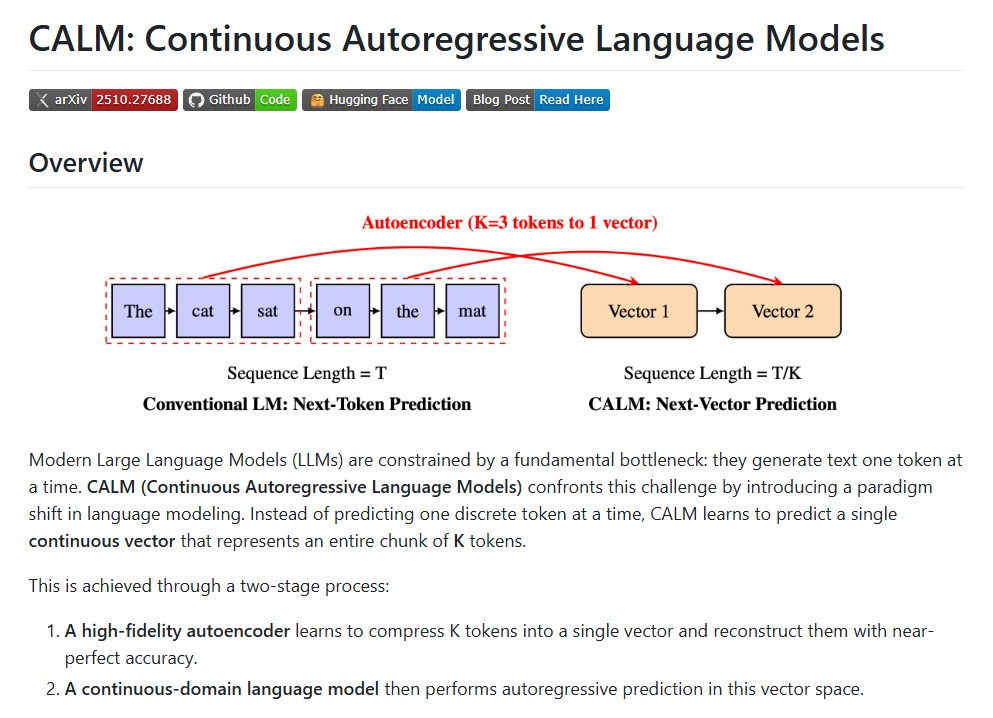
CALM: Revolutionizing Large Language Models with Continuous Autoregressive Learning

CALM: Revolutionizing Large Language Models with Continuous Autoregressive Learning

Large Language Models (LLMs) such as GPT, Claude and Gemini have dramatically transformed artificial intelligence. From generating natural text to assisting in code and research, these models rely on one fundamental process: autoregressive generation predicting text one token at a time. However, this sequential nature poses a critical efficiency bottleneck. Generating text token by token … Read more

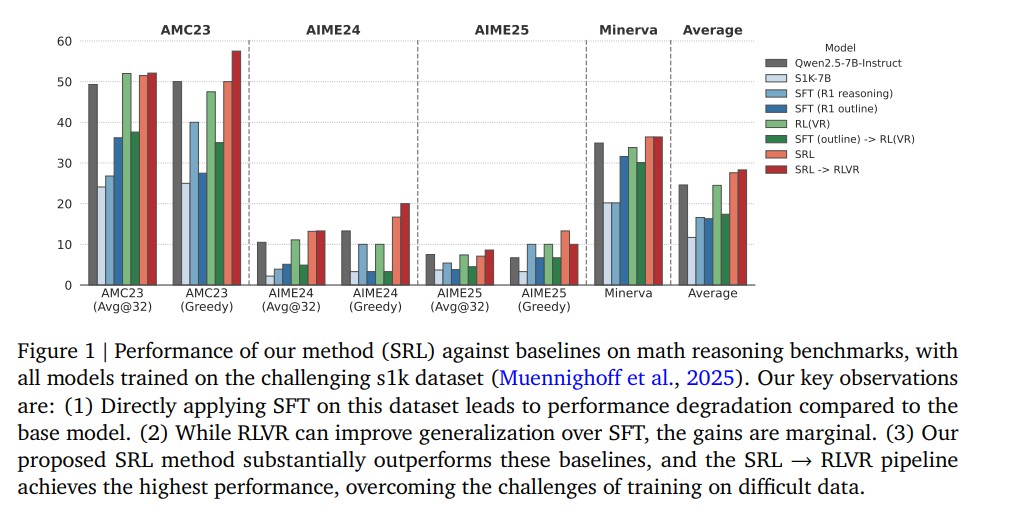
Supervised Reinforcement Learning: A New Era of Step-Wise Reasoning in AI

Supervised Reinforcement Learning: A New Era of Step-Wise Reasoning in AI

In the evolving landscape of artificial intelligence, large language models (LLMs) like GPT, Claude and Qwen have demonstrated remarkable abilities from generating human-like text to solving complex problems in mathematics, coding, and logic. Yet, despite their success, these models often struggle with multi-step reasoning, especially when each step depends critically on the previous one. Traditional … Read more

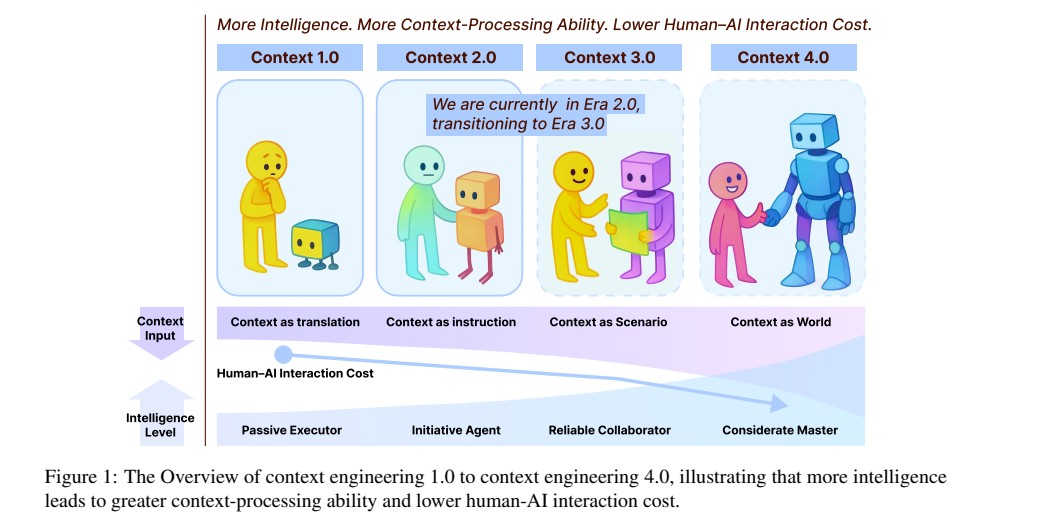
Context Engineering 2.0: Redefining Human–Machine Understanding

Context Engineering 2.0: Redefining Human–Machine Understanding

As artificial intelligence advances, machines are becoming increasingly capable of understanding and responding to human language. Yet, one crucial challenge remains how can machines truly understand the context behind human intentions? This question forms the foundation of context engineering, a discipline that focuses on designing, organizing and managing contextual information so that AI systems can … Read more