
Artificial Intelligence is advancing at a rapid pace, and the need for automated systems that can handle complex tasks without constant human intervention is growing just as quickly. AutoGPT has emerged as one of the most powerful platforms for creating and managing autonomous AI agents. Whether you are a developer, a business owner, or an AI enthusiast, AutoGPT offers the tools and flexibility needed to build intelligent agents capable of performing continuous, multi-step workflows.
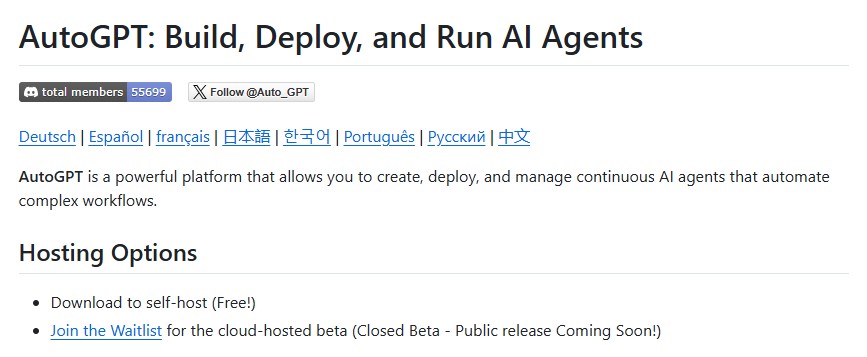
This blog provides a comprehensive, SEO-focused overview of AutoGPT, its features, hosting methods and how it empowers users to automate real-world processes. By the end, you will understand how AutoGPT works, why it is gaining global popularity, and how you can get started with building your own AI agents.
What Is AutoGPT?
AutoGPT is an advanced automation platform that allows you to build, deploy, and run autonomous AI agents. These agents can perform tasks, analyze data, interact with tools, and operate continuously without manual prompting. The platform combines a powerful backend with an intuitive frontend to create a seamless experience for users.
Unlike traditional AI chat models that respond only when prompted, AutoGPT agents can run in the background, react to triggers, and complete tasks independently. This makes AutoGPT a perfect solution for businesses looking to streamline workflows and improve productivity.
Key Features of AutoGPT
1. Agent Builder
AutoGPT includes a visual, low-code builder that allows users to design intelligent agents using drag-and-drop blocks. Each block performs a specific action, such as reading data, generating text, or sending a notification. This makes the platform accessible even to users with limited coding experience.
2. Workflow Management
You can create complex workflows by connecting functional blocks. This modular approach allows you to design custom automation systems tailored to your business needs.
3. Agent Deployment
Once your agent is built, you can deploy it directly from the platform. AutoGPT provides built-in tools to test, refine, and control the lifecycle of your agents from development to production.
4. Ready-to-Use Pre-Built Agents
If you prefer quick implementation, AutoGPT offers a library of pre-configured agents designed for tasks such as content creation, data extraction, social media automation, research, and more.
5. Monitoring and Analytics
AutoGPT includes powerful monitoring tools that help you track your agents’ performance, understand their behavior, and optimize them for better results.
Hosting Options for AutoGPT
AutoGPT offers two primary hosting methods:
1. Cloud-Hosted Platform
A simplified, fully managed version of AutoGPT is expected to be publicly released soon. This is ideal for users who want a fast and hassle-free setup.
2. Self-Hosting (Free)
For developers who want full control, AutoGPT can be self-hosted on your system using Docker, Git, and Node.js. Official scripts for macOS, Linux, and Windows make setup easier.
Self-hosting requirements typically include:
- 4+ core CPU
- 8–16 GB RAM
- Docker Engine
- Node.js 16+
- Git 2.30+
Users can launch the backend and frontend entirely on their local system and begin building agents immediately.
How AutoGPT Works Behind the Scenes
AutoGPT is powered by a combination of modern technologies and open-source components:
AutoGPT Server
This is the core of the platform. It manages agent logic, scheduling, triggers, and execution. Once deployed, the server runs agents continuously.
AutoGPT Frontend
This dashboard allows users to build agents, view workflows, monitor progress, and control deployments through an intuitive interface.
Marketplace
AutoGPT also includes a marketplace where you can find pre-built agents or share your own.
Licensing
The platform includes mixed licensing:
- The new platform code uses Polyform Shield License.
- The classic AutoGPT components remain MIT-licensed.
Examples of What You Can Build with AutoGPT
1. Viral Video Generator
This agent scans trending topics on Reddit, identifies potential viral content, and creates short-form videos automatically.
2. Automated Quote Extractor
This agent analyzes new YouTube uploads, transcribes audio, finds the best quotes, and generates social media posts.
3. Research Assistant
An agent that reads articles, summarizes findings, and creates formatted reports.
4. Email Automation Agent
Automatically drafts replies, organizes inboxes, and prioritizes important emails.
These examples demonstrate the immense potential of AutoGPT for businesses, creators, and developers.
Conclusion
It is more than just an AI tool; it is a complete platform for building autonomous agents capable of sophisticated automation. Whether you want to simplify business processes, generate content, analyze data, or build complex workflows, AutoGPT provides the tools needed to bring your ideas to life. With its combination of low-code agent builders, monitoring tools, and self-hosting capabilities, AutoGPT stands out as a powerful and flexible solution in the world of AI automation.
Follow us for cutting-edge updates in AI & explore the world of LLMs, deep learning, NLP and AI agents with us.
Related Reads
- AI Engineering Hub: The Ultimate Resource for Building Modern AI Systems
- 500+ AI Agent Projects: A Complete Guide to Industry Use Cases and Practical Applications
- Polyfire JS: The Complete Guide to Building AI-Powered Applications Without a Backend
- DIVER: A Multi-Stage Retrieval System for Complex, Reasoning-Intensive Search
- Microsoft UFO³: The Future of Multi-Device AI Agent Automation
2 thoughts on “AutoGPT: The Complete Guide to Building, Deploying and Running AI Agents”