Reducing Hallucinations in Vision-Language Models: A Step Forward with VisAlign

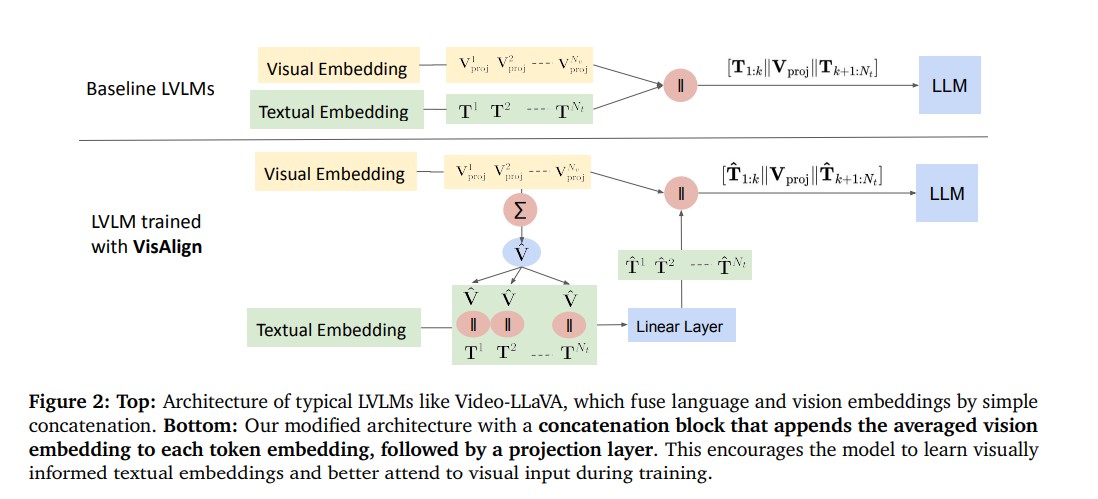
Reducing Hallucinations in Vision-Language Models: A Step Forward with VisAlign

As artificial intelligence continues to evolve, Large Vision-Language Models (LVLMs) have revolutionized how machines understand and describe the world. These models combine visual perception with natural language understanding to perform tasks such as image captioning, visual question answering and multimodal reasoning. Despite their success, a major problem persists – hallucination. This issue occurs when a … Read more

DeepEyesV2: The Next Leap Toward Agentic Multimodal Intelligence

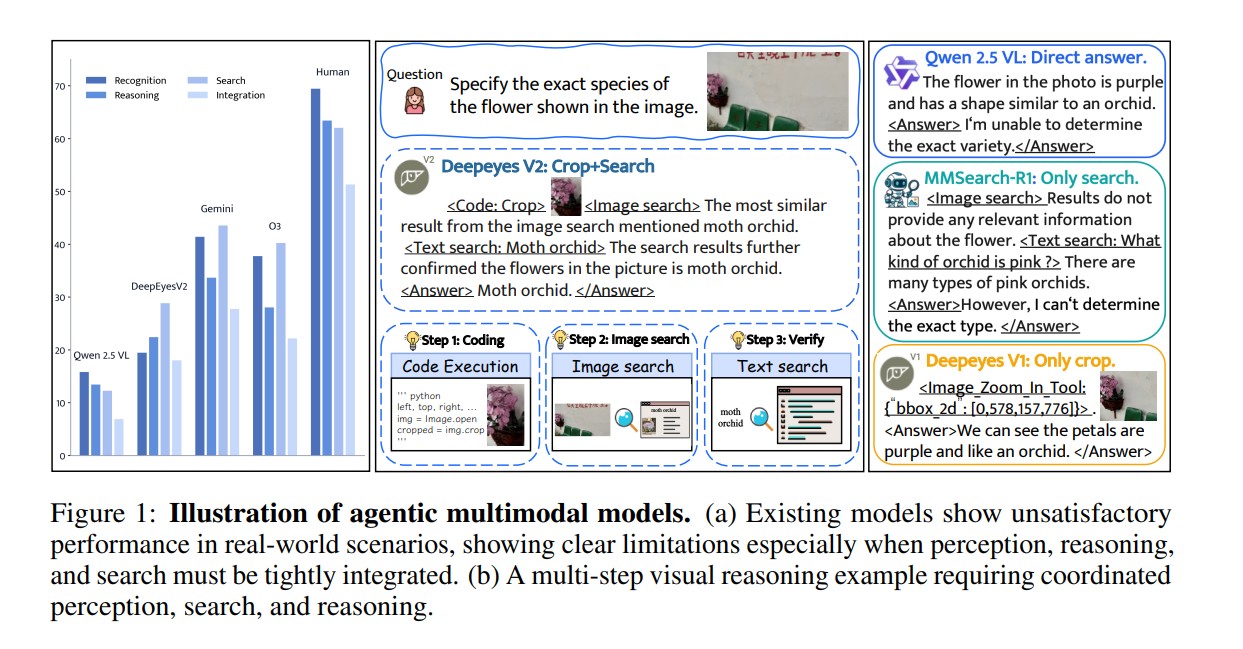
DeepEyesV2: The Next Leap Toward Agentic Multimodal Intelligence

The evolution of artificial intelligence has reached a stage where models are no longer limited to understanding text or images independently. The emergence of multimodal AI systems capable of processing and reasoning across multiple types of data has transformed how machines interpret the world. Yet, most existing multimodal models remain passive observers, unable to act … Read more

CALM: Revolutionizing Large Language Models with Continuous Autoregressive Learning

CALM: Revolutionizing Large Language Models with Continuous Autoregressive Learning

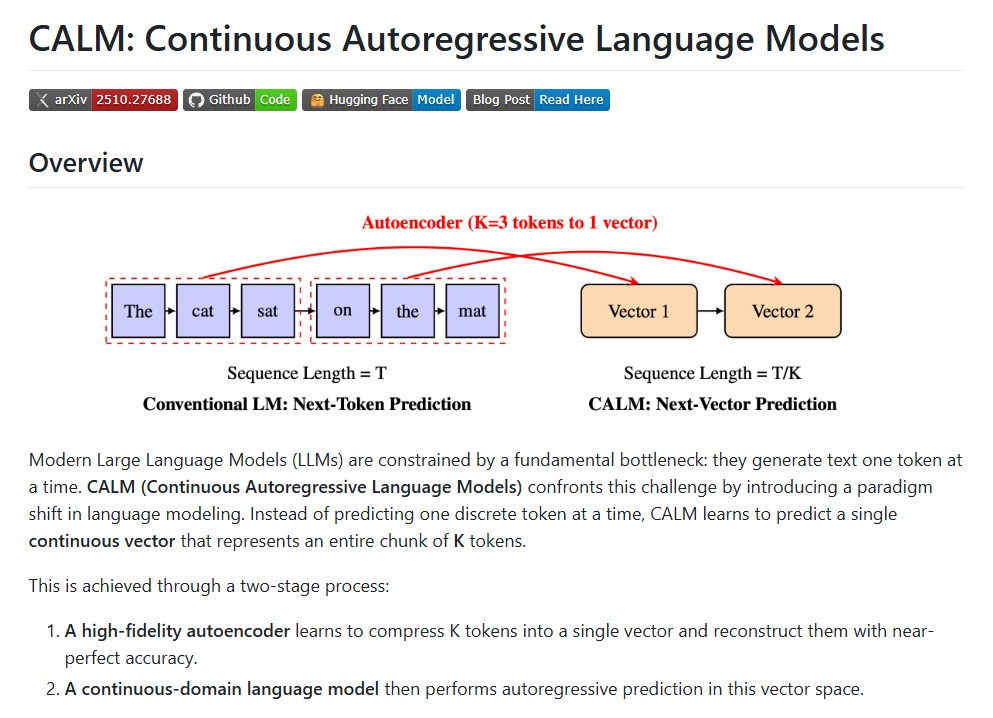
Large Language Models (LLMs) such as GPT, Claude and Gemini have dramatically transformed artificial intelligence. From generating natural text to assisting in code and research, these models rely on one fundamental process: autoregressive generation predicting text one token at a time. However, this sequential nature poses a critical efficiency bottleneck. Generating text token by token … Read more

Supervised Reinforcement Learning: A New Era of Step-Wise Reasoning in AI

Supervised Reinforcement Learning: A New Era of Step-Wise Reasoning in AI

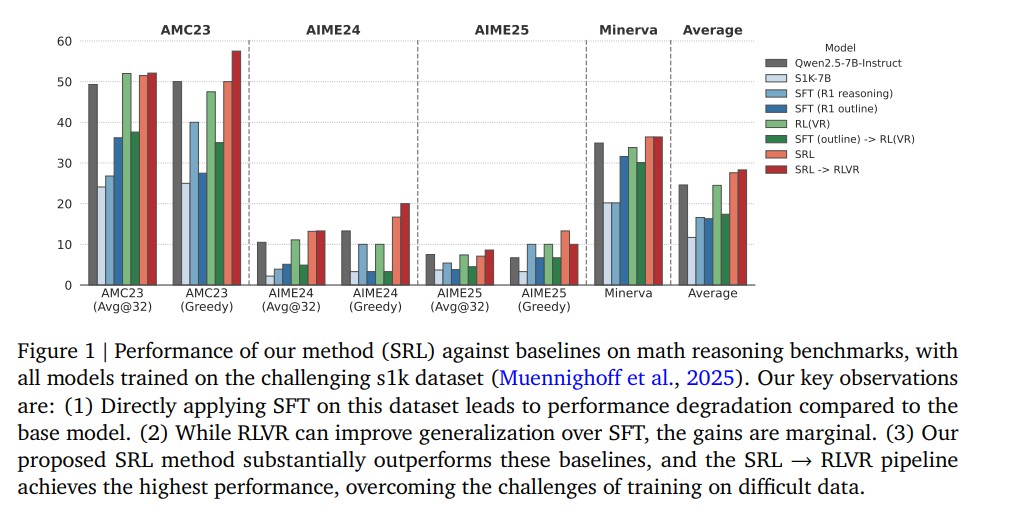
In the evolving landscape of artificial intelligence, large language models (LLMs) like GPT, Claude and Qwen have demonstrated remarkable abilities from generating human-like text to solving complex problems in mathematics, coding, and logic. Yet, despite their success, these models often struggle with multi-step reasoning, especially when each step depends critically on the previous one. Traditional … Read more

Context Engineering 2.0: Redefining Human–Machine Understanding

Context Engineering 2.0: Redefining Human–Machine Understanding

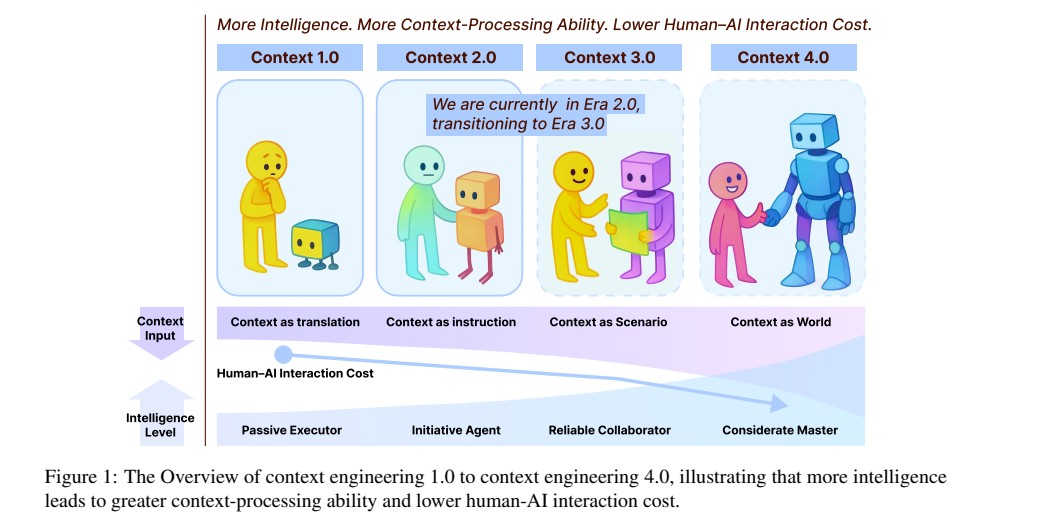
As artificial intelligence advances, machines are becoming increasingly capable of understanding and responding to human language. Yet, one crucial challenge remains how can machines truly understand the context behind human intentions? This question forms the foundation of context engineering, a discipline that focuses on designing, organizing and managing contextual information so that AI systems can … Read more

Plandex AI: The Future of Autonomous Coding Agents for Large-Scale Development

Plandex AI: The Future of Autonomous Coding Agents for Large-Scale Development

As software development becomes increasingly complex, developers are turning to AI tools that can manage, understand and automate large portions of the coding workflow. Among the most promising innovations in this space is Plandex AI, an open-source terminal-based coding agent designed for real-world, large-scale projects. Unlike simple AI coding assistants that handle small snippets, Plandex … Read more

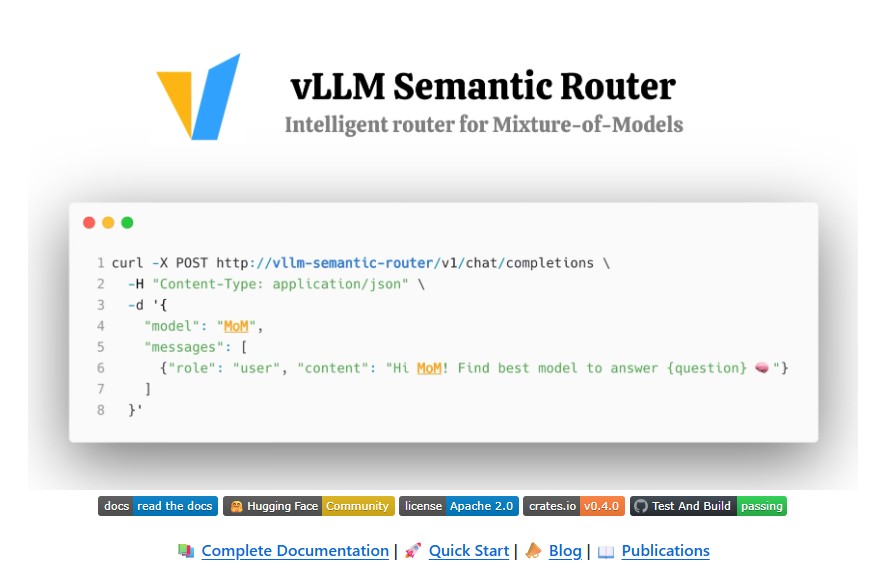
vLLM Semantic Router: The Next Frontier in Intelligent Model Routing for LLMs

vLLM Semantic Router: The Next Frontier in Intelligent Model Routing for LLMs

As large language models (LLMs) continue to evolve, organizations face new challenges in optimizing performance, accuracy and cost across various AI workloads. Running multiple models efficiently – each specialized for specific tasks has become essential for scalable AI deployment. Enter vLLM Semantic Router, an open-source innovation that introduces a new layer of intelligence to the … Read more

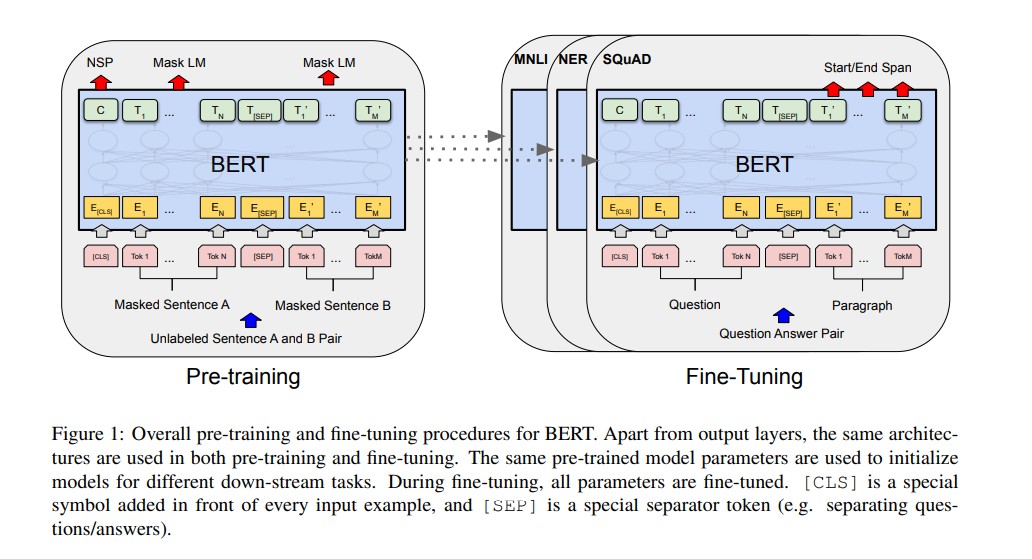
BERT: Revolutionizing Natural Language Processing with Bidirectional Transformers

BERT: Revolutionizing Natural Language Processing with Bidirectional Transformers

In the ever-evolving landscape of artificial intelligence and natural language processing (NLP), BERT (Bidirectional Encoder Representations from Transformers) stands as a monumental breakthrough. Developed by researchers at Google AI in 2018, BERT introduced a new way of understanding the context of language by using deep bidirectional training of the Transformer architecture. Unlike previous models that … Read more

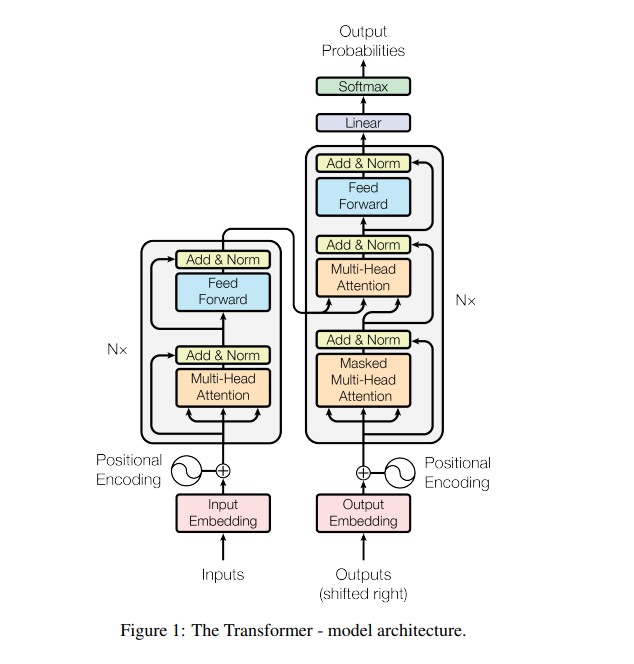
The Transformer Architecture: How Attention Revolutionized Deep Learning

The Transformer Architecture: How Attention Revolutionized Deep Learning

The field of artificial intelligence has witnessed a remarkable evolution and at the heart of this transformation lies the Transformer architecture. Introduced by Vaswani et al. in 2017, the paper “Attention Is All You Need” redefined the foundations of natural language processing (NLP) and sequence modeling. Unlike its predecessors – recurrent and convolutional neural networks, … Read more

Concerto: How Joint 2D-3D Self-Supervised Learning Is Redefining Spatial Intelligence

Concerto: How Joint 2D-3D Self-Supervised Learning Is Redefining Spatial Intelligence

The world of artificial intelligence is rapidly evolving and self-supervised learning has become a driving force behind breakthroughs in computer vision and 3D scene understanding. Traditional supervised learning relies heavily on labeled datasets which are expensive and time-consuming to produce. Self-supervised learning, on the other hand, extracts meaningful patterns without manual labels allowing models to … Read more

Pico-Banana-400K: The Breakthrough Dataset Advancing Text-Guided Image Editing

Pico-Banana-400K: The Breakthrough Dataset Advancing Text-Guided Image Editing

Text-guided image editing has rapidly evolved with powerful multimodal models capable of transforming images using simple natural-language instructions. These models can change object colors, modify lighting, add accessories, adjust backgrounds or even convert real photographs into artistic styles. However, the progress of research has been limited by one crucial bottleneck: the lack of large-scale, high-quality, … Read more